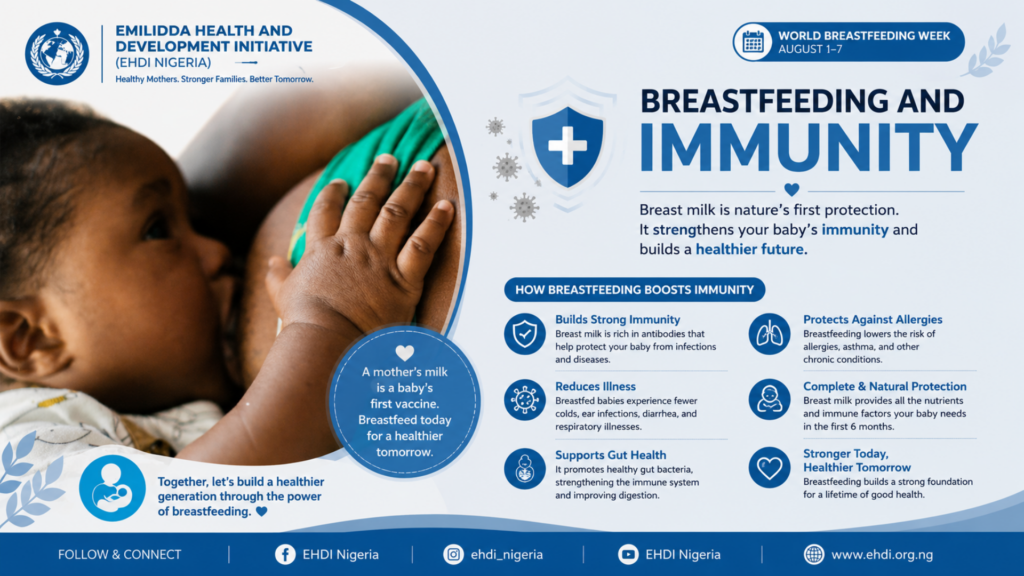
Breastfeeding is one of the most powerful ways to strengthen a baby’s immune system, offering protection against infections in early life and reducing risks of chronic diseases later. Exclusive breastfeeding for the first 6 months, followed by continued breastfeeding up to 2 years, is strongly recommended for optimal child health
How Breastfeeding Boosts Immunity
- Colostrum (first milk): Rich in antibodies, especially Immunoglobulin A (IgA), which coats the baby’s gut and prevents harmful germs from entering the bloodstream.
- Antibodies & White Blood Cells: Breast milk continuously supplies infection-fighting cells and antibodies, helping babies resist illnesses like diarrhea, pneumonia, and ear infections.
- Immune-Modulating Proteins: Components like lactoferrin and interleukins regulate inflammation, ensuring the immune system responds effectively without overreacting.
- Probiotics & Gut Health: Breast milk contains beneficial bacteria and oligosaccharides that build a healthy gut microbiome, which is central to long-term immunity.
Nigeria’s Reality
- Exclusive breastfeeding rates rose from 29% in 2018 to 34% in 2023, but still fall short of the 50% global target by 2025.
- Under-five mortality dropped from 132 deaths per 1,000 live births in 2018 to 102 in 2023, yet remains far above the global goal of 25 per 1,000.
- Neonatal mortality is still 41 deaths per 1,000 live births, showing little progress in decades.
- About 40% of Nigerian children under five are stunted, often linked to poor nutrition and low breastfeeding rates.
In northern Nigeria, cultural beliefs often discourage exclusive breastfeeding. Mothers may give water or herbal mixtures too early, weakening babies’ immunity. These communities continue to face higher infant mortality.
In Lagos and Abuja, hospitals adopting the Baby-Friendly Hospital Initiative (BFHI) report fewer cases of diarrhea and pneumonia among infants.
In Bayelsa State, community health workers share success stories of mothers who exclusively breastfed despite economic hardship. Their babies were healthier, stronger, and needed fewer hospital visits compared to formula-fed peers.
Short-Term Benefits for Babies
- Lower risk of gastrointestinal infections (diarrhea, vomiting).
- Reduced incidence of respiratory illnesses like pneumonia.
- Protection against urinary tract infections and some forms of meningitis.
- Fewer hospitalizations and lower infant mortality compared to formula-fed babies.
Long-Term Health Benefits
- Reduced risk of chronic diseases: Breastfed children are less likely to develop asthma, allergies, obesity, and type 2 diabetes.
- Cancer protection: Studies show lower rates of childhood leukemia and lymphoma among breastfed infants.
- Stronger immune memory: Breastfeeding helps the immune system “learn” to fight infections more effectively, providing resilience into adulthood.
Benefits for Mothers
- Reduced risk of breast and ovarian cancers.
- Helps with postpartum recovery by promoting uterine contraction.
- May lower risk of type 2 diabetes and cardiovascular disease.
Breastfeeding is more than nourishment—it is nature’s first vaccine. By supporting mothers to breastfeed, we are protecting children, strengthening communities, and building a healthier future.
“In Nigeria, only 1 in 3 babies is exclusively breastfed, yet breastfeeding could prevent thousands of child deaths each year. At Emildda NGO, we believe every child deserves nature’s first immunization—breast milk. Let’s support mothers, spread awareness, and build healthier communities together.”
#BreastfeedingAwareness#LiquidGold#NatureFirstImmunization#BreastMilkStrongImmunity#ExclusiveBreastfeeding#BreastfeedingSavesLives#HealthyStart