The Reality We Face
Despite progress in sanitation awareness, 23–25% of Nigeria’s population still practices open defecation. This means millions of people relieve themselves in fields, bushes, rivers, and other open spaces instead of using toilets or latrines. According to the World Health Organization (WHO), open defecation is one of the most dangerous sanitation practices, directly linked to outbreaks of waterborne diseases such as cholera, diarrhea, and typhoid.
💡 Why Does It Persist?
It’s easy to assume this is simply a matter of poor habits or lack of discipline, but the truth is more complex:
- Limited infrastructure: Many communities lack access to affordable, safe toilets.
- Low awareness: Not everyone understands the catastrophic health risks tied to open defecation.
- Cultural practices: In some rural areas, open defecation has been normalized for generations.
- Rapid urbanization: Growing populations in cities often outpace sanitation infrastructure.
⚠️ The Consequences
Every action has a reaction. When human waste enters the environment:
- Water sources are contaminated: Floods and heavy rains wash waste into wells, streams, and municipal supplies.
- Disease spreads quickly: Cholera outbreaks, especially during rainy seasons, claim thousands of lives each year.
- Children suffer most: Infants and young children are highly vulnerable to diarrhea-related deaths.
- Economic impact: Communities lose productivity due to illness, and healthcare systems are strained.
🛠️ Breaking the Cycle
The Nigeria Centre for Disease Control (NCDC) and WHO emphasize three key strategies:
- Infrastructure Development
- Build accessible public toilets and community latrines.
- Ensure safe distances between waste disposal sites and water sources.
- Behavioral Change
- Launch awareness campaigns to educate communities about the dangers of open defecation.
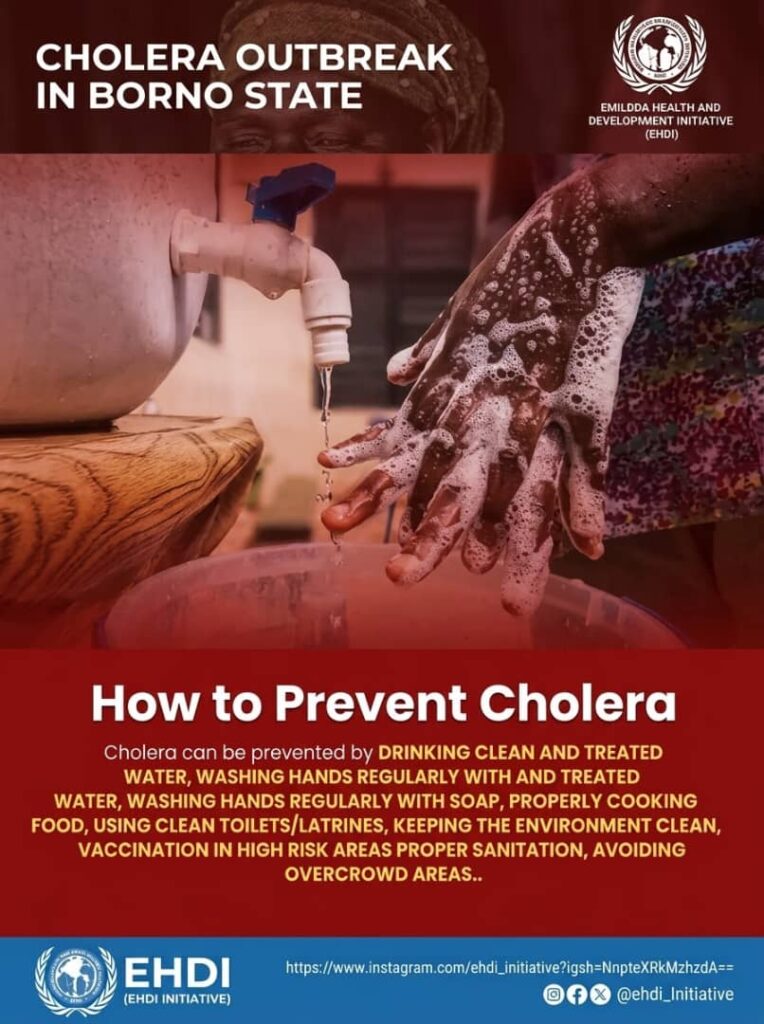
- Encourage adoption of hygienic practices like handwashing with soap.
- Emergency Sanitation Measures
- Rapid response during floods and outbreaks.
- Mobilize community volunteers to monitor and maintain sanitation facilities.
✊ A Call to Action
Ending open defecation is not just about toilets it’s about dignity, health, and survival. Every Nigerian deserves access to safe sanitation. As an NGO, we believe:
- Government must invest in rural and urban sanitation infrastructure.
- Communities must unite to change harmful practices.
- Individuals must act by spreading awareness and practicing hygiene.
Together, we can break this cycle and protect the health of millions.
Follow us for more
https://www.instagram.com/ehdi_initiative?igsi=NnpteXRkMzhzdA==
https://www.facebook.com/share/1Ck1QXPiZp
#EndOpenDefecation
#SanitationForAll
#CleanNigeria
#StopCholera
#PublicHealthMatters