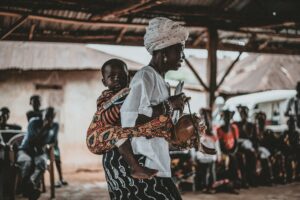
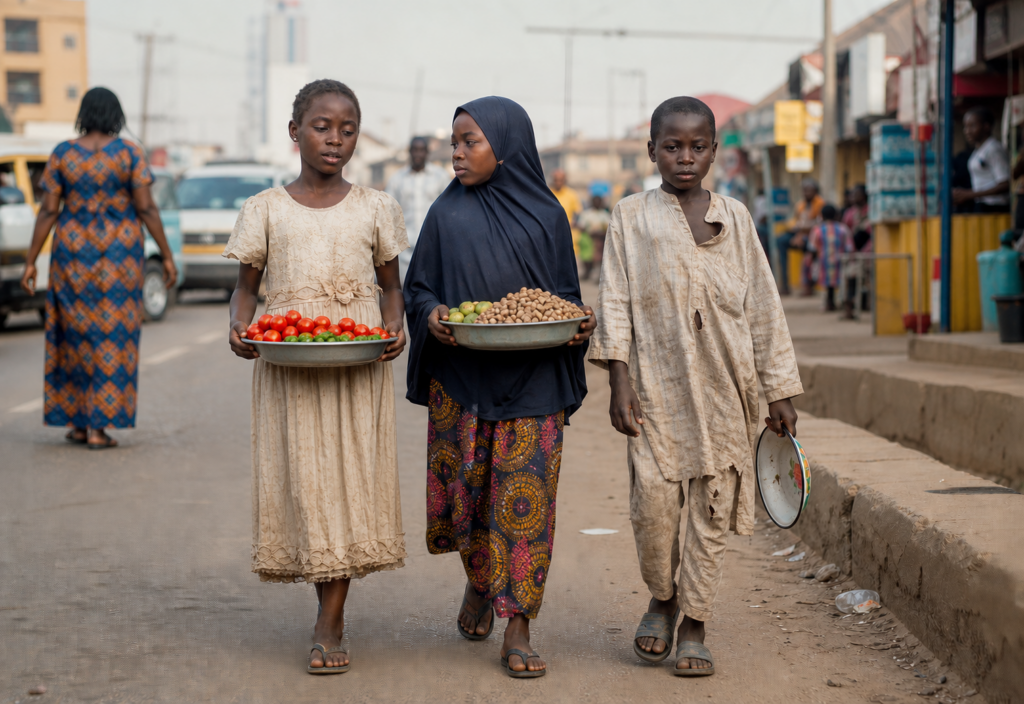
Sustainable change often begins with the stories we overlook. In many parts of Northern Nigeria, childhood is quietly traded for survival, as young boys and girls step into roles meant for adults long before they are ready. Illegal child labour in the region takes many forms. It appears in street hawking under the harsh sun, in farms where children handle tools beyond their strength, and in homes where they serve as domestic workers with little protection.
The scale of the problem is difficult to ignore. Across towns and rural communities alike, children can be seen working during school hours, their presence in marketplaces and roadsides reflecting a deeper, more complex issue. At the heart of it lies economic hardship. Many families struggle to meet basic needs, and sending children to work becomes a means of survival rather than a choice. Income, no matter how small, can make a significant difference.
Beyond economics, social and cultural factors also play a role. In some communities, child work is normalised as part of upbringing, where contributing to the household is seen as a duty rather than a disruption to development. Education is often the first casualty. Limited access to schools, combined with the costs of uniforms, books, and transportation, pushes many children out of classrooms and into labour, widening the opportunity gap.
Although laws exist to protect children from exploitation, enforcement remains inconsistent. Regulations are often weakened by a lack of awareness, limited resources, or competing priorities within local systems. The consequences are far-reaching. Children engaged in labour face physical risks, emotional strain, and the loss of formative years that should be spent learning and growing in safe environments.
The experience is not the same for every child. Girls, in particular, are more likely to be placed in domestic roles, where their labour is less visible but equally demanding, while boys are often exposed to more physically hazardous work. Efforts to address the issue are ongoing. Community groups, non-governmental organisations, and some government initiatives are working to raise awareness and provide alternatives, though progress remains gradual.
Real change will require a collective approach. Strengthening education systems, improving economic support for families, and enforcing child protection laws are all essential steps towards reducing the reliance on child labour. Ultimately, addressing illegal child labour is about recognising the value of every child’s future. When communities begin to prioritise education and protection, the cycle can be broken, allowing children to reclaim the childhood they deserve.